Picture this: you’re connected to a public Wi-Fi network at your favorite café, sipping on a latte while scrolling through social media. Sounds cozy, right? But here’s the catch—those seemingly innocent open networks are like leaving your front door wide open. Hackers can slip in and snatch your personal information faster than you can say “cybersecurity.” That’s where a VPN comes into play! By encrypting your data, it’s like putting on an invisibility cloak, making it tough for those cyber thieves to see what you’re up to.
On the flip side, not all VPNs are created equal. Some might promise the moon and stars but are just puppets in a more sinister game. You might think you’re safe, but you could unknowingly be handing your data over to a third party. It’s like trusting someone with your diary, only to find out they were sharing your secrets with the whole classroom!
And let’s not forget the personal risks we often overlook. Ever clicked “I agree” without reading the fine print? You might be sharing your habits, preferences, and even your location without a second thought. It’s like leaving breadcrumbs for someone to follow right to your digital doorstep.
So, as you cruise through the internet, keep one eye open. Armed with a good VPN and awareness of these risks, you can surf the web with confidence, ensuring your online journey is as safe as it is enjoyable.
The Double-Edged Sword: How VPNs Can Both Protect and Compromise Your Online Privacy
So, how exactly do VPNs work their magic? Well, think of them as a secret passageway that shields your online journey. Instead of connecting directly to the internet, your data first travels through a secure server. This way, your IP address is hidden, making it doubly hard for anyone to track your online movements. Pretty neat, right? However, not all VPNs are created equal. Some providers might log your data like a diary-keeping friend with a bad secret. If those logs fall into the wrong hands, your private life could end up on display faster than you can say “online privacy nightmare.”
What’s more, using a VPN can sometimes give you a false sense of security—a bit like driving a fancy car without a seatbelt. People think they’re invincible, but there are vulnerabilities to consider. For instance, some VPNs may not encrypt your data effectively, leaving gaping holes for cybercriminals to exploit. And what if you’re accessing sensitive information over an unsecured public Wi-Fi? That’s like leaving your front door wide open in a busy neighborhood.
So, when you weigh the pros and cons, it’s clear that while a VPN can bolster your online defenses, it can also introduce new challenges. Navigating this digital landscape definitely requires a keen eye and a clear understanding of the tools at your disposal. Are you ready to make the right choice for your online privacy?
Surfing Safely: The Hidden Risks of VPNs in an Increasingly Digital World
First off, let’s break it down. When you connect to a VPN, it’s like sending your data down a less crowded highway, but not every roadway is well-maintained. Some VPN providers may log your activity, which means they can see what you do online. This can feel a bit like that friend who insists on tagging you in embarrassing pictures without asking! You think you’re hidden, but that’s just an illusion unless you choose a reputable provider that genuinely values privacy.
Another aspect to think about is the potential for data leaks. Just like a rusty old faucet can drip, even the best VPNs can have vulnerabilities. If your real IP address slips out due to a leak, you’re back to square one—exposed and vulnerable. Doesn’t that sound like finding out your secret hiding spot isn’t so secret after all?
Let’s not forget about security features. Some VPNs may lack the robust encryption needed to truly protect your data. Imagine trying to lock your door with a flimsy latch. No one wants to find out that their digital world is just as easy to break into. Plus, the speed drop that often accompanies VPN usage can feel like trudging through mud when all you want is to zoom across the digital landscape.
So, while VPNs are fantastic tools to enhance your online privacy, they come with their own set of risks. Are you ready to navigate this increasingly complex digital world?
Are You Really Safe? Unveiling the Internet Risks Even VPNs Can’t Protect Against
Imagine you’re in a bustling café, sipping your coffee and scrolling your favorite social media feeds. You might feel secure because you’re using a VPN, but what if someone’s lurking nearby, waiting to snatch your connection? Public Wi-Fi networks can be a hacker’s playground, and a VPN won’t save you from the dangers of man-in-the-middle attacks. It’s like believing you’re safe inside a locked car while leaving the windows wide open.
Then there’s the charming yet dangerous world of phishing scams. Even the most sophisticated VPN can’t shield you from clicking on a link in an email that seems to come from your bank but is actually a cleverly disguised trap. Have you ever been on the edge of your seat, convinced you’ve spotted a treasure map, only to realize it’s a mirage? That’s what clicking on malicious links feels like.
VPN Myths Debunked: What You’re Not Being Told About Online Security
First up, let’s tackle the myth that VPNs make you completely anonymous online. Sure, they’re great for encrypting your data, but they don’t cloak your digital identity entirely. Think of it like wearing a mask at a party—it hides your face, but your voice might still give you away. Your internet service provider might not see what you’re browsing, but they can still log that you’re using a VPN. So, it’s not a magic bullet for anonymity.
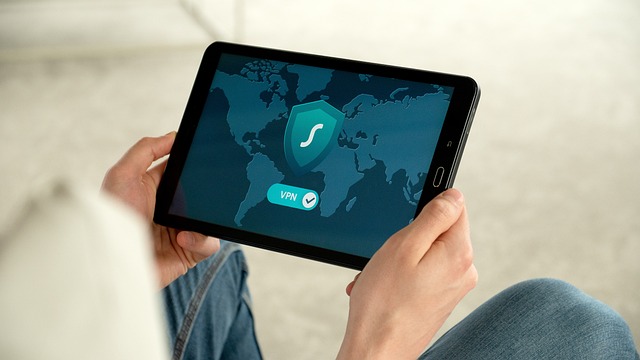
Next, jumping into the idea that all VPNs are created equal is misleading. Some might give you superb security, slick speeds, and decent customer service, while others could let your data slip through the cracks like a sieve. Always do your homework before picking one; it’s like choosing the right life jacket before going white-water rafting—not all will keep you afloat!
Another myth? That you don’t need a VPN at home because your Wi-Fi is safe. Listen, even the coziest corner of your home network can be vulnerable. Think of it as locking your car but leaving the window cracked—that’s just asking for trouble.
Lastly, many users believe that a VPN will turn their internet speed into a snail’s crawl. Some may slow you down, but a well-chosen VPN can actually enhance your speed by bypassing throttling from your ISP. It’s like finding a shortcut on your daily commute—the right path can save a ton of time!
So, equipped with this knowledge, we can all navigate the web a little more wisely, right?